A Nap melege
az Ön otthonában.
A Nap melege az Ön otthonában.
ITT TALÁLKOZHATTÁL VELÜNK:

A Nap melege
az Ön otthonában.
A Nap melege az Ön otthonában.
ITT TALÁLKOZHATTÁL VELÜNK:
Fűtőfólia küldetése:
“Modernizálni a társadalom fűtési szokásait, hogy
egészségesen és gazdaságosan tudjanak fűteni.”


4. generációs fűtőfólia
Európában csak nálunk
4. generációs fűtőfólia
Európában csak nálunk!
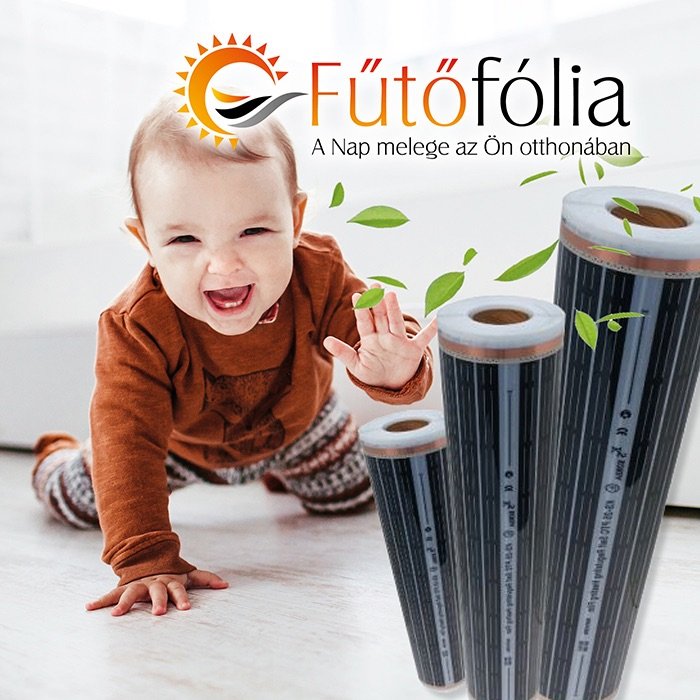
A gazdaságos elektromos fűtés titka – Fűtőfólia
Infravörös sugárzás
Ez rejti a harmadik generációs intelligens fűtőfilm titkát. A fólia ugyanazon a biológiai hullámhosszon sugároz, mint az emberi test, emiatt arra kifejezetten jó hatást gyakorol, valamint tökéletesen alkalmas tárgyak töltésére is. A technológia lehetővé teszi, hogy az elektromos infrafűtés a lehető leghatékonyabban szállítson energiát az anyagokba, így feltöltve őket.
Fűtőfilmünk azon túl, hogy feltölti az érintett felületet, a padlót, a mennyezetet vagy a falat, egyenletesen sugároz az egész rendszerben. A levegő ezáltal minimális energiaveszteség mellett melegszik fel, közben a padló vagy a fal képes tárolni az energiát. Így válik az infrafűtés különösen gazdaságossá.
Az infrafűtés hasonló teljesítmény mellett működik, mint a többi elektromos fűtés. Az egyenletes sugárzás miatt hatékonysága és költségtakarékossága azonban jóval meghaladja azokét.
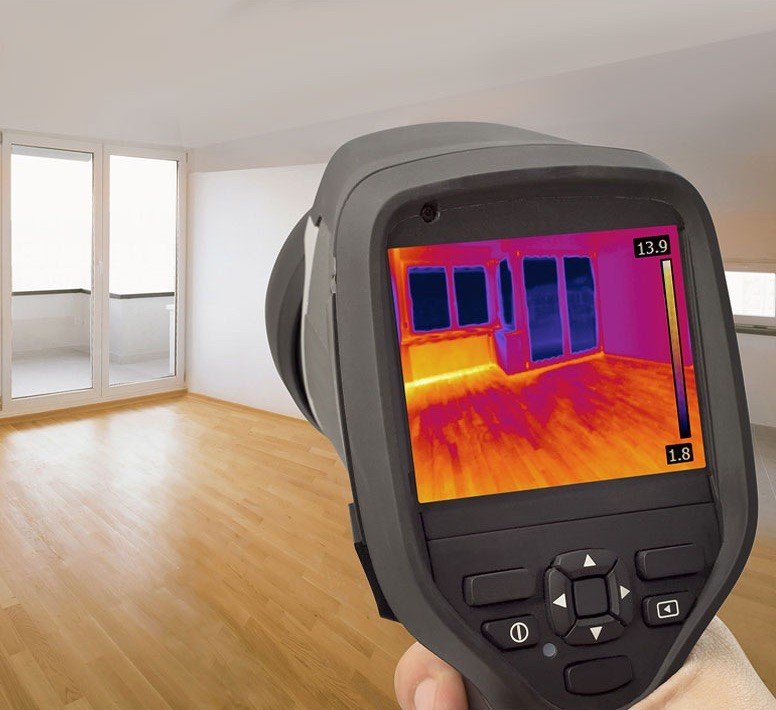
A modern fűtés nemcsak megelőzni képes a falak vizesedését, penészesedését, hanem ki is száríthatja azokat. A rendszer azonban nem szárítja a levegőt, ehelyett anionokkal tölti fel. A padlót nem melegíti túl, és nem kavarja fel a port. Mindezek miatt az infrafűtés egy kifejezetten egészséges módot kínál a lakás hőmérsékletének beállítására.
Miért az intelligens fűtőfólia?

Komfort
Az infrafűtésünk magas színvonala komfortos mennyezet – padlófűtést biztosít nem csak a lakásban, házban, vagy a lakóhelyiségben, hanem szállodában, étteremben, kávéházban üzletközpontban vagy irodaépületben, hétvégi házban, sportlétestményben, mezőgazdasági építményben és minden olyan helyen, ahol szükség van melegre.

Egészség
Pozitív hatással bír az emberi szervezetre.

Gazdaságosság
Alacsony beruházási költség, akár nulla Ft-os rezsi számla.

Szerteágazó felhasználási lehetőségek
Padlófűtés – Mennyezetfűtés – Falfűtés – Kiegészítőfűtés
Hírek

Miért szeretnek az építtetők fűtőfóliát választani?
A modern építészet és ingatlanfejlesztés egyre inkább az energiahatékonyságra, a fenntarthatóságra és a maximális komfortra fókuszál. Ahogy a technológia fejlődik, úgy változnak a fűtési rendszerekkel szemben támasztott elvárások is. A hagyományos, sokszor látható és...
A mennyezeti fűtés titkai: kényelmes, láthatatlan, hatékony
A modern építészet és a lakberendezés folyamatosan keresi azokat a megoldásokat, amelyek nemcsak funkcionálisak, hanem esztétikailag is hozzájárulnak egy letisztult, komfortos otthon megteremtéséhez. Ebben a kontextusban egyre nagyobb népszerűségnek örvend a...
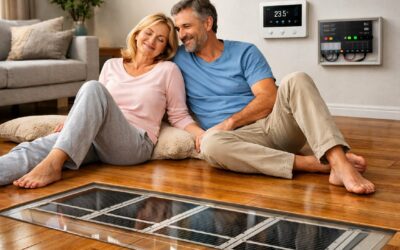
„Intelligens” fűtőfólia és infrafűtés burkolat alatt: mítoszok, elektroszmog és valódi hatékonyság
Ha ma valaki infrafűtésről vagy fűtőfóliáról kezd beszélni, pillanatok alatt beindul a vita: - „Ez nem is igazi infra, ha padló alatt van!” - „Elektroszmogot termel a lakásban, biztosan nem egészséges.” - „Lassan fűt, pulzál a meleg, szétfő a laminált.” - „Az...
Fűtőfólia Online teljesítmény kalkulátor

Kérj ingyenes műszaki javaslatot!
Az általad megadott adatok alapján elkészítjük számodra a legpontosabb műszaki javaslatot egy intelligens fűtőfilm rendszerre,
ami minden járulékos költséget és kiegészítést tartalmaz.

Intelligens fűtőfilm Referenciák

Milyen fűtést telepítettem a szüleimnek a fatüzelés helyett?
Idei nyáron került sor szüleim házának a felújítására. Nézzétek meg, mit alakítottunk ki a régi fa tüzelés helyett. Életem egyik legnagyobb sikere közé tartozik, hogy 10 év győzködés után végre megvalósult ez a kivitelezés. Fatüzelés helyett infrafűtés...
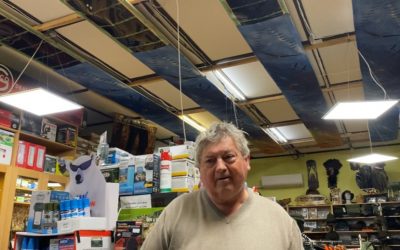
Vadászbolt infrafűtés mennyezetre
Az elmúlt években a lakossági felhasználás mellett, egyre szélesebb körben terjed el az infrafűtés cégek, vállalkozások körében is. Mostani kivitelezésünk Csornán történt egy vadászboltban. Az üzlet tulajdonosa sokféle fűtési megoldást kipróbált az évek során más-más...
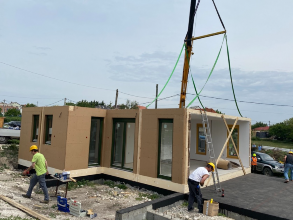
Infrafűtés fából készült modulházban
Ki ne szeretne egy új nyaralót, családi házat a telkére pár nap alatt készen látni.Többünk találkozott már azzal a problémával, ha otthonunktól távolabb szerettünk volna építkezni, hogy nem ismerjük a helyi szokásokat, cégeket, nincs lehetőségünk az építkezési munkák folyamatos ellenőrzésére. Erre kínál kész megoldást a Németh-Fa.
Egyéb elektromos fűtés termékek
Infrapanel
Takarékos megoldás lehet, ha az infrapanel mellett döntünk egy radiátor helyett. Az infra-tartományban sugárzó panelek készítésénél igyekeznek a konvekciót (hőáramlást) minimálisra csökkenteni, miközben a készülék sugárzását (főleg az infra tartományban) minél jobban felerősíteni. A sugárzó hő kellemes hőérzettel jár, az alacsonyabb hőmérsékletet is komfortosnak érezhetjük.
Azt fontos szem előtt tartanunk, hogy a drágább készülékekben nem csak a felhasznált anyagok és a szerelési minőség változik, hanem a különféle innovatív technológiáknak köszönhetően a magasabb árhoz magasabb komfort és jobb hőérzet is tartozik. Számtalan színben (fehér, fekete …) és méretben érhető el.
Termék kínálat:
-
Heat4All ICONIC Classic – Luxus infrapanelek
Ártartomány: 189,100Ft - 443,100Ft megveszem Ennek a terméknek több variációja van. A változatok a termékoldalon választhatók ki -
Templomfűtés infrapanel 100CH 100W
32,400Ft megveszem -
Templomfűtés infrapanel 150CH 150W P
33,000Ft megveszem -
Templomfűtés infrapanel 200CH 200W
36,000Ft megveszem
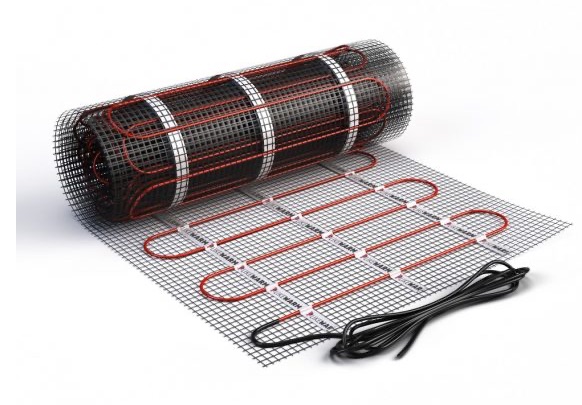
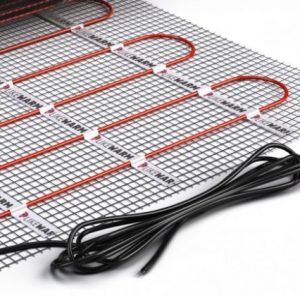
Fűtőszőnyeg, fűtőkábel,
A legfőbb előnye, hogy bármely helyiségbe könnyen elhelyezhető, csemperagasztóba a beton és hidegburkolat között. Nem igényel extra rétegrendet. Bármely tipusú fűtési kiegészíthető, illetve helyettesíthető vele, helytakarékos és könnyen kezelhető. Arról nem is beszélve, hogy egyenletesen oszlik el a meleg a helyiségben.
Hűtő-Fűtő klíma
Fedezze fel velünk a modern, energiatakarékos és környezetbarát klímaberendezéseket, melyek nem csak a nyári hőségben nyújtanak hűsítést, hanem a téli hidegben is meleget biztosítanak otthonának vagy irodájának. A „Hűtő – Fűtő Klíma” termékválasztékunkat úgy alakítottuk ki, hogy minden igényt kielégítsen: legyen szó lakásról, irodáról vagy nagyobb üzlethelyiségről.
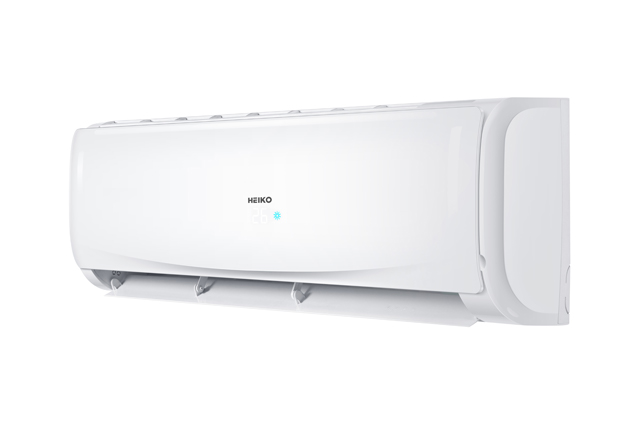
Hűtő-fűtő klíma termék kínálat:
-
Akció!
Heiko Flexi Brisa hűtő-fűtő klíma 3,2 kW [JS035-C2/JZ035-C2]
Original price was: 222,329Ft.180,340FtCurrent price is: 180,340Ft. megveszem -
Akció!
Heiko Flexi Brisa hűtő-fűtő klíma 2,6 kW [JS025-C2/JZ025-C2]
Original price was: 205,788Ft.175,006FtCurrent price is: 175,006Ft. megveszem -
Akció!
Heiko Flexi Brisa hűtő-fűtő klíma 5,0 kW [JS050-C2/JZ050-C2]
Original price was: 308,789Ft.280,035FtCurrent price is: 280,035Ft. megveszem -
Akció!
Heiko Flexi Brisa hűtő-fűtő klíma 7,0 kW [JS070-C2/JZ070-C2]
Original price was: 396,790Ft.381,000FtCurrent price is: 381,000Ft. megveszem
Elektromos fűtőpanel, fűtőtest
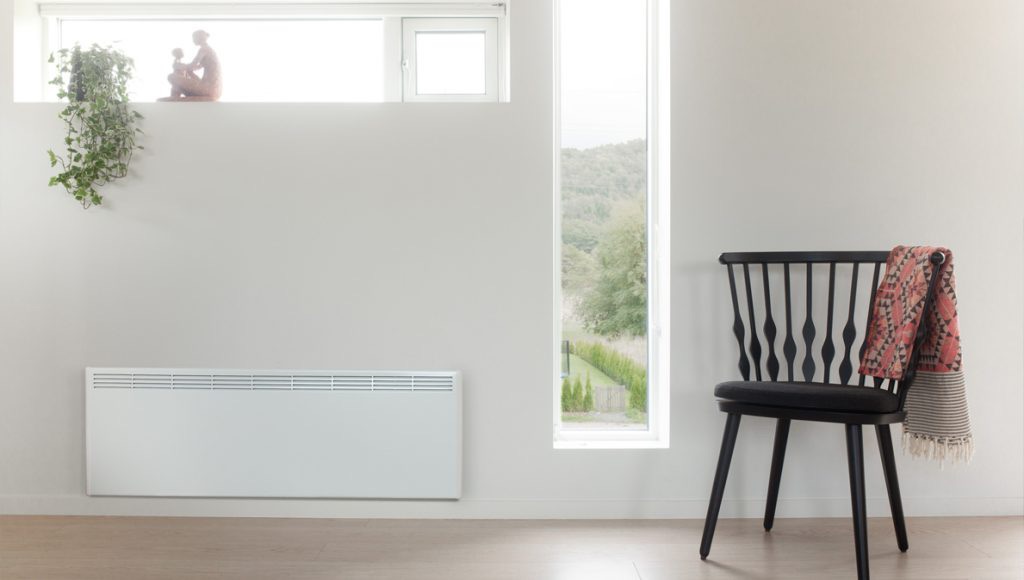
Ezek a norvég fűtőpanelek jó megoldások lehetnek számunkra azon helyiségekbe, ahol nem kell mindig melegnek lennie pl. téli kert, garázs, fürdőszoba. Fűtőtest előnye, hogy nagyon gyorsan bemelegszik, így szinte azonnal meleget ad, vizes helyiségekben is használható. Méretéhez és teljesítményéhez mérten hatékonyan fűt, ráadásul a helyzethez képest energiatakarékos. Nem kell csöveket kiépíteni, mint egy radiátor esetében. A fűtőpanelek (fűtőtestek) egyszerűen és könnyen, szakember nélkül is felszerelhetőek a falra pár óra alatt. Mutatós, és hogyha nincs rá szükség, magunkkal vihetjük és felszerelhetjük valahol máshol. Egyre népszerűbbek a norvég panelek, ami kifejezetten szép kinézettel rendelkezik (pl. a norvég Adax, ADAX Neo, Adax Neo Wifi , Atlantic fűtőpanelek)
Intelligens Fűtőfólia Magyarország területén = infrafűtés
Magyarország a fűtőfólia területén élen jár az Európai országok között, és ezt az előnyét folyamatosan meg is tartja. Próbáld ki te is otthonodba, élvezd e jobbfólia fűtés adta lehetőségeket!